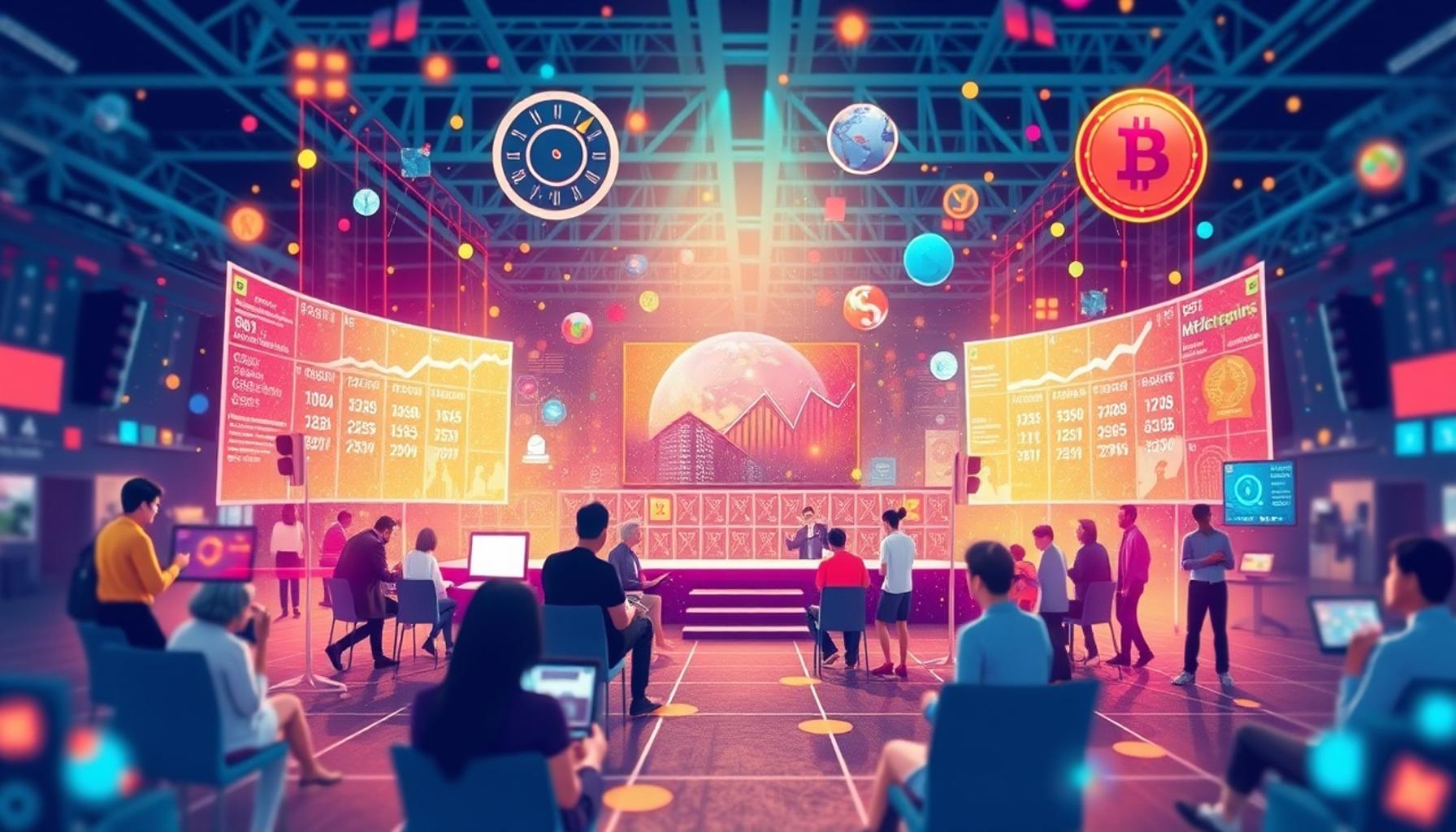
The Impact of AI Technologies on the Event Industry: Transforming Live Experiences
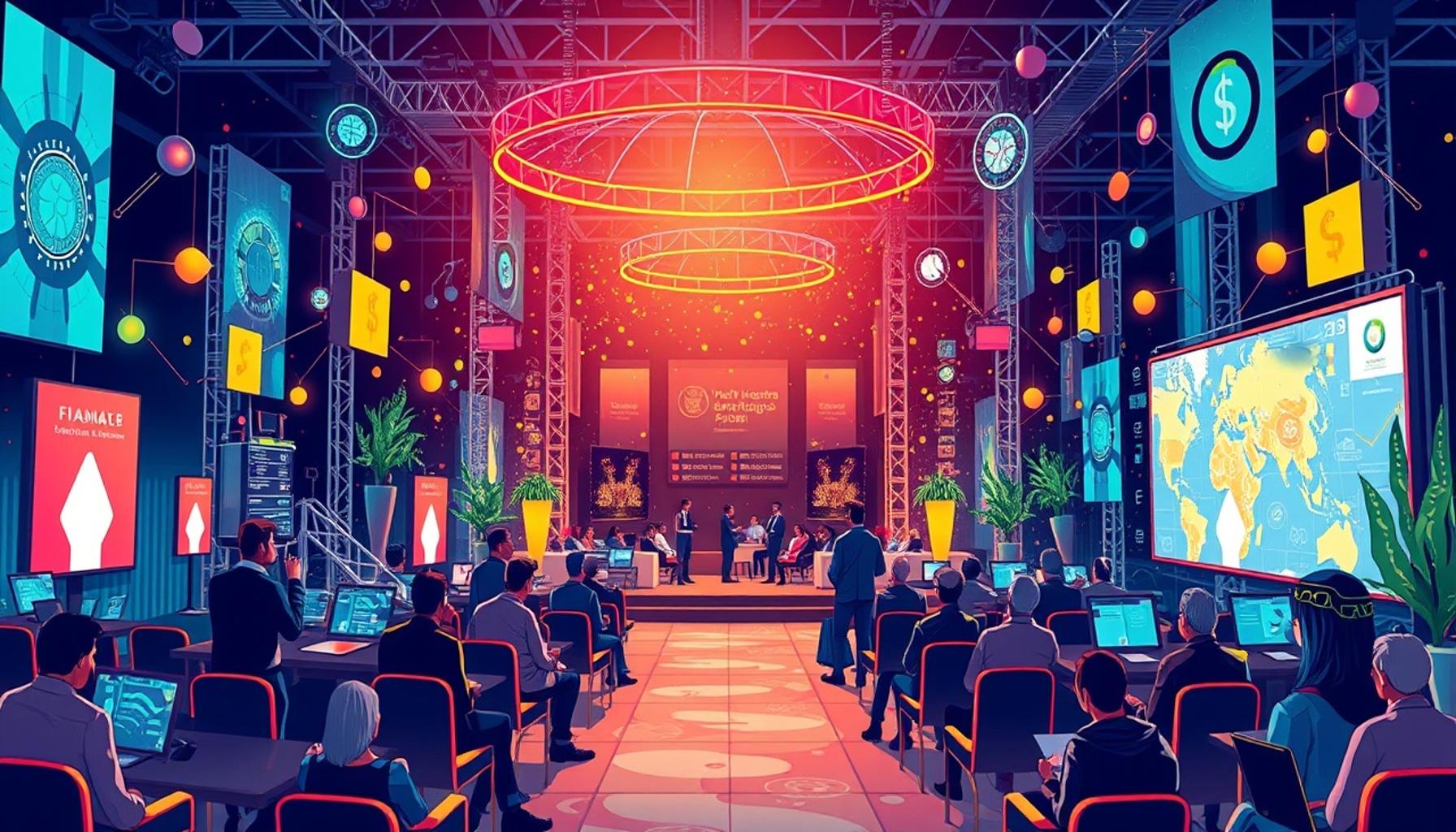
The Transformation of the Event Industry through AI
In recent years, Artificial Intelligence (AI) has dramatically altered various sectors, and the event industry is no exception. Innovations powered by AI have revolutionized how events are planned, executed, and ultimately experienced by attendees. This not only improves efficiency but also enriches the overall attendee experience.
Smart Ticketing
One of the most significant advancements is in smart ticketing. AI-driven platforms leverage data analytics to analyze customer behavior and preferences. For example, an events coordinator can use AI to recommend ticket options to potential attendees based on past purchases and browsing behavior. This degree of personalization can lead to higher conversion rates and improved attendee satisfaction. Platforms like Eventbrite and Ticketmaster are increasingly integrating AI to streamline this process, ensuring that attendees feel valued and understood.
Chatbots for Attendee Support
Another impactful application of AI in events is the use of chatbots. These virtual assistants are programmed to handle inquiries from attendees at any time of day. For instance, if an attendee has a question about the event schedule or needs assistance finding a specific location within a sprawling venue, a chatbot can provide real-time answers. This immediate access to information not only enhances the user experience but also frees event organizers from handling repetitive inquiries, allowing them to focus on more complex tasks.
Predictive Analytics
AI also plays a crucial role in planning through predictive analytics. By analyzing past attendance data, AI can forecast future trends and participant behavior. For example, if analytics show that attendees are more likely to register earlier for a particular type of event, organizers can adjust their marketing strategies to encourage early sign-ups. Such insights are invaluable for optimizing resources and ensuring that every event runs smoothly.
Enhanced Engagement through Interactive Technologies
Moreover, AI enables enhanced engagement through interactive technologies. Tools such as augmented reality (AR) and virtual reality (VR) create immersive experiences that captivate attendees. A notable example can be seen at trade shows where AR can be used to showcase products in an engaging way, allowing attendees to interact with them in a virtual space before making a purchase decision. This not only makes the event more memorable but also increases the likelihood of sales conversion.
The Importance of Embracing AI
The impact of these technologies extends well beyond operational efficiencies; they foster meaningful interactions and create unforgettable moments for attendees. In fact, as the event industry continues to evolve, embracing AI is not merely a choice; it has become essential for organizers aiming to remain competitive and relevant. Utilizing AI technologies can greatly enhance planning strategies and ultimately lead to delivering exceptional experiences tailored to the needs of attendees.
In conclusion, as the landscape of the event industry continues to change, a comprehensive understanding of AI’s implications will empower event planners to innovate and thrive. Embracing these technologies is likely to be a game-changer in the way events are conceived, promoted, and executed.
DISCOVER MORE: Click here to learn how to enhance your finances
AI Innovations Reshaping Event Experiences
The integration of AI technologies within the event industry is not just a trend; it is rapidly becoming a necessity. As event organizers strive to create more engaging experiences, AI serves as a powerful tool to understand attendee preferences and streamline operations. By harnessing data and applying smart technology, organizations can offer unparalleled levels of personalization, efficiency, and interactivity that were previously unimaginable.
Personalized Experiences through Data
One of the core strengths of AI in the event industry is its ability to personalize the attendee experience. Utilizing data analytics, AI systems can gather extensive insights about the participants, allowing for tailored experiences that resonate with individual preferences. For example, if an event gathers data on attendees’ interests through prior registrations or feedback forms, it can then customize the event itinerary to highlight sessions or activities that align with those interests. This personalization not only enhances attendee satisfaction but also encourages greater participation.
Optimizing Event Logistics
Effective logistics management is vital for the success of any event, and AI can significantly enhance this aspect. By employing AI algorithms, organizers can forecast attendance, optimize seating arrangements, and effectively manage resources. Here are some areas where AI aids in logistical optimization:
- Venue Selection: AI can analyze multiple parameters such as location, capacity, and past performance to suggest the most suitable venue for a specific type of event.
- Scheduling: Through predictive models, AI can recommend optimal event times and durations based on historical attendance patterns, ensuring maximum participation.
- Resource Allocation: AI tools can assist in predicting the resources needed (staff, equipment, catering) by analyzing real-time data from past events.
Networking Opportunities Enhanced by AI
In addition to logistical improvements, AI facilitates better networking opportunities for attendees. By using networking platforms that incorporate AI, attendees can connect with others who share similar interests or goals. For instance, at a large conference, AI-driven matchmaking algorithms can suggest connections based on the profiles and interests submitted by participants. This not only fosters relationships but also enables meaningful conversations that can lead to business opportunities and collaborations.
Virtual Participation and Hybrid Events
The COVID-19 pandemic redefined how events are conducted, emphasizing the importance of hybrid events that cater to both in-person and virtual attendees. AI technology enhances virtual participation through live streaming capabilities, interactive Q&A sessions, and real-time feedback mechanisms. AI platforms enable organizers to analyze audience engagement during virtual sessions, empowering them to refine future events based on attendee interaction metrics. This blend of physical and digital experiences paves the way for a more inclusive event landscape.
Ultimately, as AI continues to evolve, its applications in the event industry promise not only to enhance operational capabilities but to transform the very essence of live experiences themselves. The potential for tailored interactions and improved efficiencies positions AI as a cornerstone in creating memorable events that resonate with attendees on various levels.
DISCOVER MORE: Click here to learn how to maximize your investments
Enhancing Engagement and Interaction
The rise of AI technologies has brought a new layer of engagement to events, allowing organizers to create more interactive experiences that capture attendees’ attention. By leveraging AI tools, event professionals can design innovative environments where participation goes beyond passive observation to active involvement.
Interactive Exhibits and Installations
AI-driven interactive exhibits are transforming how attendees engage with event content. Augmented reality (AR) and virtual reality (VR) experiences can blend the physical and digital worlds, offering immersive environments that make information accessible and engaging. For instance, at a technology trade show, an AI-powered VR installation can allow attendees to experience a product’s functionalities in a simulated setting, offering the chance to interact with the features directly. This not only captivates attendees but also allows for a deeper understanding of the products being showcased.
AI-Powered Chatbots for Real-Time Assistance
AI chatbots are proving to be invaluable resources for event attendees, providing immediate answers to their inquiries. These virtual assistants can guide attendees through event schedules, offer personalized recommendations, and troubleshoot common issues without the need for human intervention. For example, at a large convention, attendees can use a mobile app equipped with an AI chatbot to get directions to specific booths, find session timings, or even connect with other participants.
This level of accessibility enhances the overall event experience, making it more enjoyable and stress-free, while allowing human staff to focus on higher-value tasks, such as networking and relationship-building.
Automated Engagement Metrics
Another significant advantage of AI in the event industry is its capability to gather and analyze engagement metrics in real-time. By using AI analytics tools, organizers can monitor how attendees interact with various components of the event, such as which sessions attract the most viewers or which booths generate the most engagement. This data is crucial for continually improving future events.
For instance, if organizers notice that particular topics generate more discussions or social media mentions, they can prioritize these themes in future programming. This responsiveness not only improves attendee satisfaction but also boosts overall event relevance and success.
Natural Language Processing for Feedback and Insights
Natural Language Processing (NLP), a subset of AI, enables event organizers to analyze open-ended feedback from attendees swiftly and effectively. By applying NLP tools to surveys or social media comments, organizers can gain valuable insights regarding attendees’ experiences, preferences, and pain points. This feedback loop allows for adjustments to be made in real-time or effectively shapes the planning of future events.
For instance, if a large percentage of attendees express dissatisfaction with the time allocated for breaks, organizers can adjust future schedules accordingly, enhancing overall attendee experience and retention.
AI for Sustainability Efforts
In today’s environmentally conscious landscape, AI can also support sustainability initiatives within the event industry. By optimizing resource management—whether it be energy usage, waste reduction, or transportation logistics—AI helps create events that not only prioritize attendee satisfaction but also take into account ecological impact. For example, AI algorithms can analyze past events to determine optimal quantities for food and materials needed, minimizing waste and thus reducing the overall carbon footprint of the event.
As AI continues to advance, its role in enhancing engagement and interaction within events only stands to grow, paving the way for a new era of event experiences that are not only memorable but also meaningful, efficient, and sustainable.
DISCOVER MORE: Click here to learn how to create your financial plan
Conclusion
The integration of AI technologies into the event industry marks a significant turning point in how live experiences are created and delivered. By enhancing attendee engagement through interactive installations and AI-powered assistance, event organizers can create truly immersive environments that foster connection and learning. The power of data analytics, enabled by AI, allows for a more adaptive approach to planning, ensuring that future events are tailored to attendee preferences and interests.
Furthermore, the use of Natural Language Processing for gathering real-time feedback empowers event professionals to be responsive to attendee needs, ultimately enhancing satisfaction and retention. Importantly, as sustainability becomes a priority in today’s world, AI’s role in optimizing resource management positions the event industry to not only entertain but also protect our environment.
As we move forward, the future of events is poised to offer richer, more meaningful experiences thanks to AI. The opportunities for innovation are vast, and with continued advancements in technology, organizers can expect to create live experiences that are not just memorable but also increasingly relevant and impactful. Embracing these technologies will be crucial for those looking to stay ahead in this rapidly evolving landscape, highlighting a need for ongoing adaptation and learning in the realm of event management.

Linda Carter
Linda Carter is a writer and expert known for producing clear, engaging, and easy-to-understand content. With solid experience guiding people in achieving their goals, she shares valuable insights and practical guidance. Her mission is to support readers in making informed choices and achieving significant progress.