
Innovations in Augmented and Virtual Reality: The Future of Digital Events in a Connected World
Understanding the Impact of AR and VR
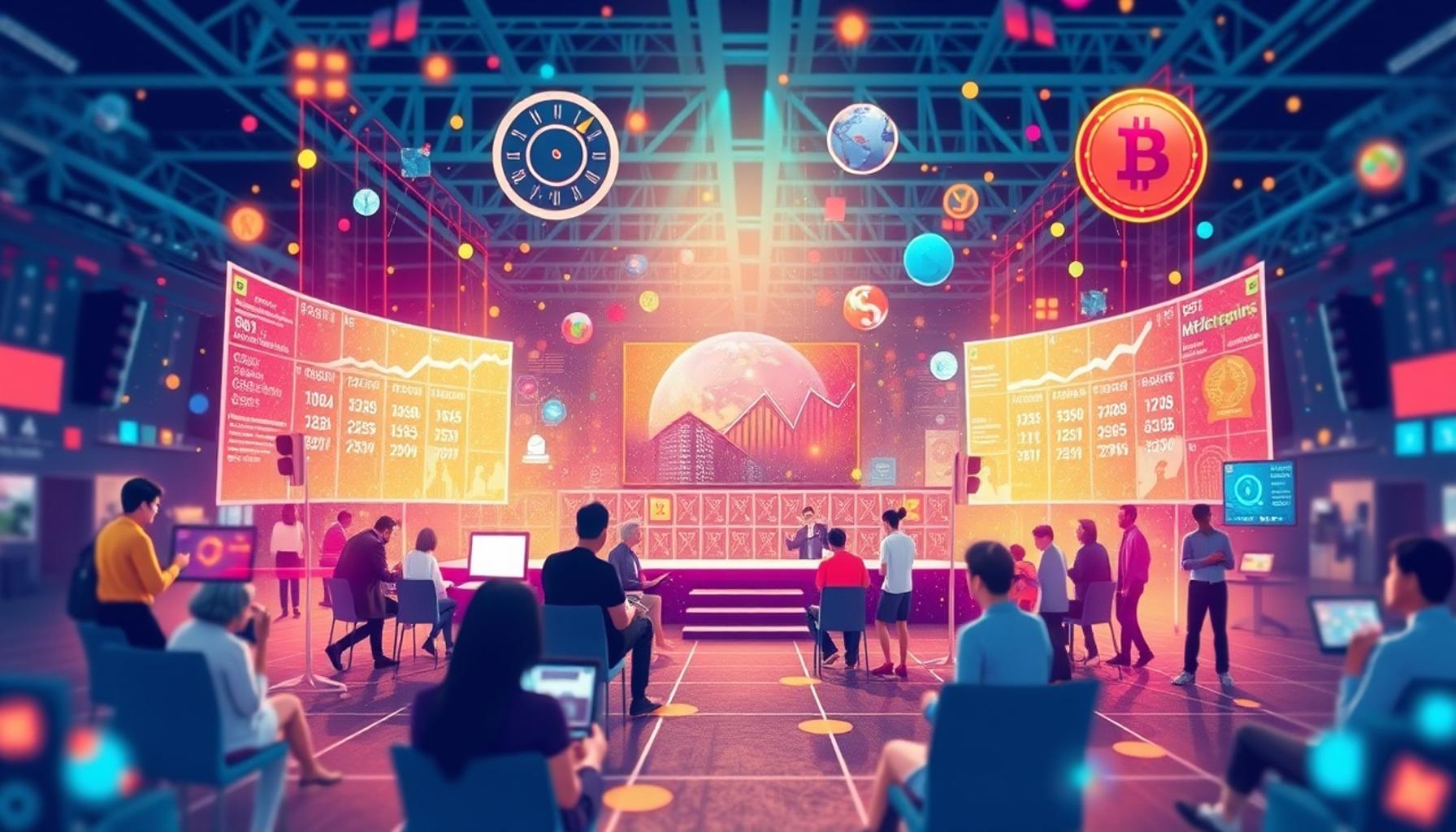
In recent years, augmented reality (AR) and virtual reality (VR) have profoundly changed the landscape of digital experiences, leading to innovative implementations in various industries. The convergence of these technologies has not only improved engagement levels but has also revolutionized how participants connect with content and one another in virtual settings.
One of the primary benefits of incorporating AR and VR into digital events is the enhanced engagement they offer. For instance, imagine attending a virtual conference where you can navigate a 3D representation of the venue, interact with virtual booths, or even attend a keynote speech from famous industry leaders appearing as holograms. This level of interactivity creates a lifelike experience that captures participants’ attention far more effectively than a standard video call.
The global reach afforded by AR and VR is another distinct advantage. Participants can join events from across the world without the need for cumbersome travel logistics. This accessibility can significantly expand the audience base, allowing organizations to connect with potential clients, partners, or community members who otherwise would not have been able to attend an in-person event. An excellent example is the annual CES (Consumer Electronics Show), which shifted to a virtual format, enabling global participants to discover new tech products and innovations without the barriers of distance and expense.
Moreover, personalized experiences can be seamlessly integrated into digital events. Utilizing data and AI, organizers can create tailored content that caters to the unique preferences and needs of different audience segments. For example, a virtual product launch could allow participants to choose between various product demos based on their interests or industry, ensuring that each attendee receives information relevant to them.
Looking ahead, the potential of AR and VR in digital events is vast. Organizations are increasingly adopting these technologies for different purposes, such as:
- Virtual Conferences: Events can now host keynote speeches and breakout sessions in immersive formats, providing attendees with the chance to engage with speakers and each other in a way that feels dynamic and immediate.
- Product Launches: Companies can allow customers to experience new products in a simulated environment—a car manufacturer might offer a 360-degree VR tour of a new vehicle, letting users explore features interactively.
- Training Programs: Utilizing realistic simulations can lead to effective learning. For instance, medical professionals can practice surgical procedures in a risk-free virtual environment, gaining valuable hands-on experience without any consequences.
In conclusion, as we navigate the evolving digital landscape, the role of AR and VR is set to become even more pivotal. Businesses that embrace these technologies will not only enhance their event experiences but will also establish themselves as leaders in the forthcoming era of digital collaboration and connection. Indeed, the future is very much about redefining how we engage in a technology-driven world.
LEARN MORE: Click here to find out how AI affects jobs
Transforming Event Experiences with AR and VR
The integration of augmented reality (AR) and virtual reality (VR) into the world of digital events brings about an exciting transformation. These innovations are not just enhancements; they are game-changers that redefine how audiences participate, interact, and experience events. By harnessing these advanced technologies, event organizers can craft experiences that feel more real than ever, bridging the gap between physical and digital realms.
One of the key ways AR and VR are transforming events is through immersive storytelling. Take, for example, a virtual art exhibit where attendees can step into a VR world and walk through a replica gallery, viewing each piece as if they were physically present. This not only deepens engagement but also caters to various learning styles—visual learners can absorb information through interactive displays, while auditory learners can enjoy voiceovers or guided tours integrated into their VR experience. Such immersive environments compel attendees to explore more deeply, thereby enhancing knowledge retention and emotional connection to the content presented.
Networking opportunities also benefit greatly from AR and VR environments. Traditional networking can often feel stilted and awkward, especially in a virtual format. However, with immersive avatars representing attendees, individuals can move freely in a virtual space, initiating conversations with ease and engaging in group discussions that mimic real-life interactions. For instance, platforms like Social VR create spaces where people can gather around a virtual fire pit or lounge area, fostering a more relaxed atmosphere conducive to meaningful connections. This shift not only encourages networking but also builds a sense of community among participants.
Furthermore, event analytics have become significantly more advanced with these technologies. Using AR and VR, organizers can track attendee movements and interactions within the virtual environment, providing insights into participant behavior and interests. This data is invaluable for tailoring future events to better meet audience needs. For example, if data shows that most attendees linger around certain exhibits or sessions, organizers can refine those offerings or identify compelling speakers for follow-up events, thus improving overall experience and satisfaction rates.
Various applications of AR and VR within digital events continue to emerge, illustrating the boundless possibilities:
- Hybrid Events: Combining the benefits of both physical and virtual attendance, hybrid events allow in-person and remote participants to engage in real-time. This model ensures no one misses out on the experience, regardless of their location.
- Sponsor Engagement: With AR, sponsors can create interactive displays where attendees can scan QR codes to unlock special offers or access more information about products and services. This decreases barriers and adds an exciting layer to traditional advertising.
- Gamification: By incorporating elements of gamification, such as challenges or contests, events can encourage participatory engagement. Attendees might earn points for interacting with various content pieces, enhancing their overall experience while driving attendance to critical sessions.
As we look toward the future, it is clear that AR and VR will play a pivotal role in shaping digital events. The impact of these technologies not only elevates user experience but also creates new avenues for connection, interaction, and growth. By embracing these tools, organizations position themselves at the forefront of digital innovation, ready to captivate and connect with audiences like never before.
LEARN MORE: Click here to discover how to safeguard your data
Enhancing Accessibility and Inclusivity with AR and VR
Another vital aspect of integrating augmented reality (AR) and virtual reality (VR) into digital events is the potential to increase accessibility and inclusivity. In traditional settings, barriers such as physical location, financial constraints, or even health considerations may prevent individuals from participating in important events. However, AR and VR technologies can help dismantle these obstacles, paving the way for a more inclusive experience.
For individuals with disabilities, these technologies can improve participation significantly. For instance, VR can simulate environments where attendees can navigate using tailored experiences designed for those who may have mobility challenges. Consider a virtual conference where participants can easily adjust the scenery or layout to suit their needs. This adaptable environment can also include features like sign language interpretation through avatars or audio descriptions for various components, making content more accessible to individuals who are deaf or blind.
In addition to physical accessibility, AR and VR can also address language barriers. Many digital events cater to a global audience, and language can often be a significant hurdle. By incorporating real-time translation tools within AR and VR platforms, event organizers can provide attendees with the ability to access content in their language of choice. This technological advancement not only enhances inclusivity but also enriches the overall event experience for diverse audiences, allowing everyone to participate fully and benefit from the shared knowledge.
Personalized Attendee Engagement
Personalization is another striking feature of AR and VR in digital events. As attendees log into a virtual event, they can be greeted by a tailored experience based on their preferences, interests, and past interactions. For example, a virtual reality platform may recognize an attendee who frequently attends workshops on digital marketing and automatically suggest relevant sessions or speakers aligned with their interests. This level of personalization keeps participants engaged and enhances their overall satisfaction, subsequently increasing the likelihood of continued participation in future events.
On the business side, personalized marketing can lead to higher conversion rates for sponsors and exhibitors. When attendees receive personalized content or exclusive offers that closely match their interests, they are more likely to engage with brands meaningfully. For instance, an international trade show utilizing AR technology could allow exhibitors to create personalized virtual booths that adapt their offerings based on the visitor’s background or needs, thereby increasing the opportunity for fruitful business connections.
Interactive Learning Environments
The potential for interactive learning experiences through AR and VR is another essential innovation for digital events. Panel discussions, workshops, and training sessions can become immersive environments where participants can engage in hands-on activities. Consider a virtual reality training session for healthcare professionals where they can practice surgical techniques on realistic avatars. This type of learning not only fosters a deeper understanding of the material but also encourages practical skill development that benefits participants long after the event has ended.
Additionally, AR can enhance live presentations by overlaying real-time data or visual aids onto the physical world. For example, during a panel discussion on climate change, audience members equipped with AR glasses can see real-time statistics or infographics appearing beside the speaker, allowing for a clearer and more engaging presentation. This integration of interactive elements captivates the audience’s attention and creates a memorable learning experience that aids retention of complex information.
As we move further into the digital age, the advantages of leveraging AR and VR within the context of events become increasingly evident. These technologies not only elevate attendee experiences but also promote accessibility, engagement, and personalized interaction, solidifying their role as vital assets for the future of digital events in a connected world.
DIVE DEEPER: Click here to discover the latest trends in sustainable investments
Conclusion
In conclusion, the integration of augmented reality (AR) and virtual reality (VR) into digital events signifies a transformative leap into the future of how we connect, engage, and learn in a rapidly evolving digital landscape. By enhancing accessibility, these technologies ensure that individuals from all walks of life can participate meaningfully, breaking down barriers that have traditionally hindered involvement. This inclusivity not only promotes diversity of thought but also enriches the overall experience for all attendees.
Furthermore, the ability to deliver personalized interactions through AR and VR allows event organizers to tailor experiences that resonate with individual preferences, fostering deeper engagement and satisfaction. When participants feel their needs are recognized and addressed, they are far more likely to immerse themselves fully in the event, paving the way for ongoing attendance and loyalty.
As we explore the potential of interactive learning environments, the future of professional development and knowledge-sharing looks promising. The immersive training opportunities offered by these technologies can lead to practical skill acquisition and a more profound understanding of complex subjects.
In essence, the ongoing innovations within AR and VR are not merely trends; they are pivotal elements that are redefining the landscape of digital events. As we embrace these advancements, we are not just adapting to a connected world; we are actively shaping its future—one where inclusivity, engagement, and immersive learning become the standard, ensuring that everyone has a seat at the table in our increasingly digital society.