Trends in Augmented and Virtual Reality for Immersive Event Experiences
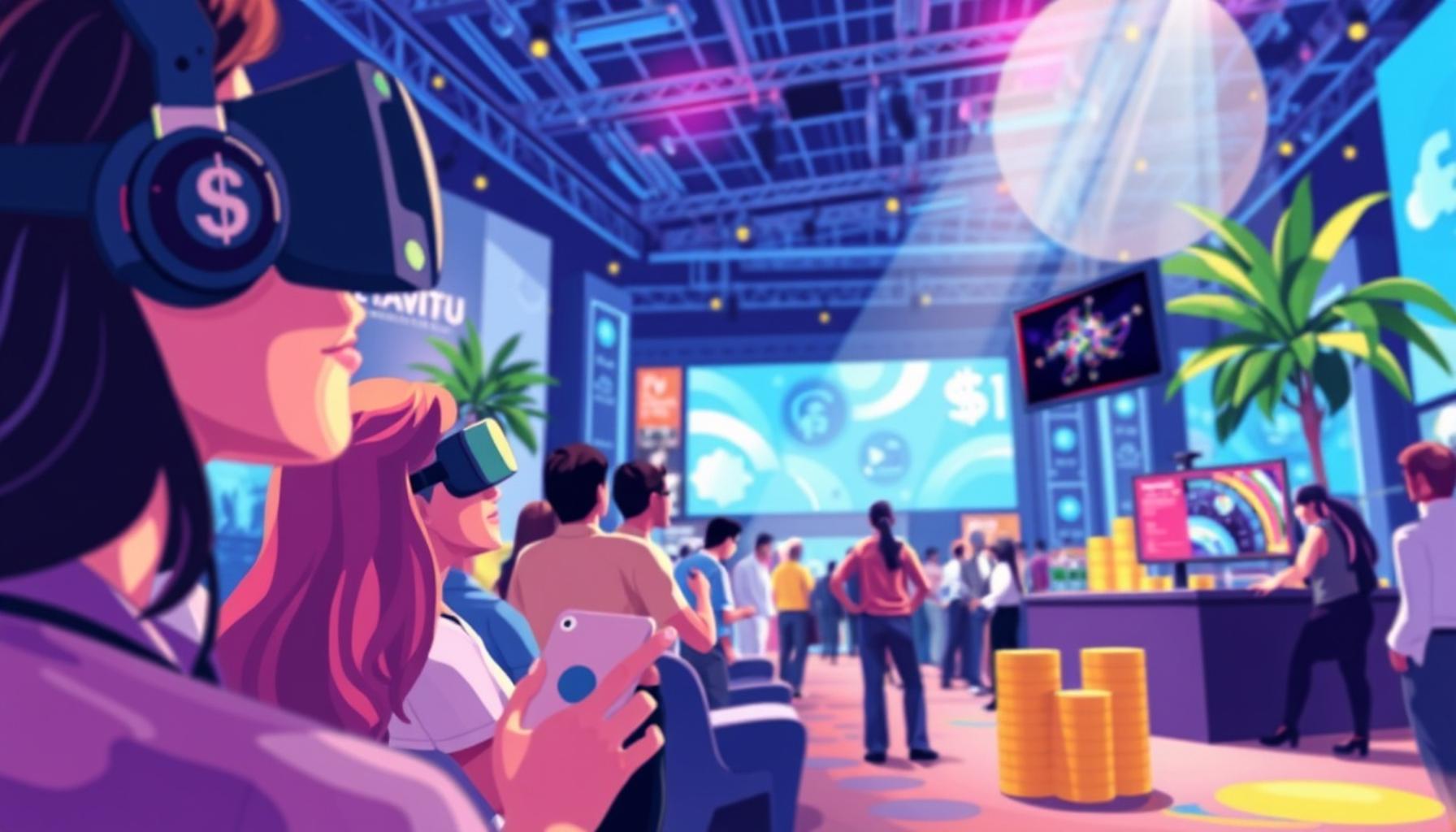
Harnessing Technology for Unforgettable Events
In recent years, augmented reality (AR) and virtual reality (VR) have emerged as powerful tools for enhancing event experiences. These cutting-edge technologies are not merely trends; they are revolutionizing how attendees engage with events, ushering in a new era of interaction that offers unprecedented levels of immersion and engagement.
Several key trends are shaping the future of AR and VR in the events industry, demonstrating their potential to elevate experiences for organizers and attendees alike:
- Hybrid Events: The rise of hybrid events combines both in-person and virtual elements, effectively broadening the audience reach. For example, a tech conference can host physical attendees while simultaneously live-streaming the event to participants who prefer to join from their homes. This model not only accommodates those unable to attend in person but also allows the event organizers to amplify their reach and impact.
- Interactive Experiences: By utilizing AR and VR, organizers can craft captivating, interactive experiences that keep participants engaged. For instance, during an art festival, attendees might wear VR headsets to explore a virtual gallery, allowing them to view and interact with artworks in a sophisticated, immersive manner. This level of interaction fosters a deeper connection with the event content while enriching the overall experience.
- Networking Opportunities: AR and VR are enabling virtual networking spaces that mimic real-life interactions, effectively bridging the gap between remote and in-person participants. Imagine a cocktail hour where attendees, represented by avatars, can mingle in a virtual environment that resembles an upscale bar. This setup encourages networking and collaboration, even when geographical barriers exist.
Moreover, brands are capitalizing on these technologies to create unforgettable event experiences. Consider the following innovative applications:
- Product Launches: Companies are increasingly turning to VR for immersive product demonstrations that leave lasting impressions. For example, an automotive brand might use VR to allow potential buyers to take a virtual test drive of their newest model, experiencing features and functionalities in a way that traditional marketing cannot replicate.
- Virtual Tours: AR facilitates virtual tours that grant remote attendees the opportunity to explore venues or experiences as if they were physically present. A museum might provide AR overlays that enhance the virtual tour experience by offering background information, historical context, or even interactive challenges, further enriching the exploration.
- Gamification: Integrating game mechanics into events can significantly enhance attendee engagement and participation. Consider an industry trade show that implements a scavenger hunt using an AR app. Attendees could collect virtual badges or rewards by visiting various booths, encouraging exploration of the event while creating a fun and competitive atmosphere.
As we examine these trends, it is evident that AR and VR are not just futuristic concepts but are becoming fundamental elements in crafting memorable events. These technological innovations are propelling the industry forward, ensuring that experiences are more engaging, accessible, and innovative than ever before. Embracing AR and VR can significantly transform how we connect, learn, and share within the context of events, thus shaping a new standard for the future.
LEARN MORE: Click here to discover trends in workplace well-being.
Transforming Event Engagement Through AR and VR
The integration of augmented reality (AR) and virtual reality (VR) technologies into event planning is reshaping the ways in which attendees experience live gatherings. One of the most impactful aspects of these technologies is their ability to create immersive environments that not only captivate audiences but also foster a sense of connection and engagement. With the rapid adoption of these tools, several trends are becoming increasingly prominent in the events industry.
Enhanced Attendee Interaction is one of the foremost trends we are witnessing. Event organizers are leveraging AR and VR to create experiences that motivate attendees to actively participate rather than passively observe. For example, during a gaming convention, attendees can don VR headsets to step inside a digitally created world where they can interact with characters and participate in challenges. This level of participation enhances the excitement of the event and encourages attendees to linger longer, engage with sponsors, and form deeper connections with the content.
Another key trend is the use of storytelling through immersive experiences. Events are increasingly focusing on narratives that unfold through AR and VR formats, captivating audiences in a multi-sensory way. For instance, during a product launch for a new travel app, an immersive VR experience could allow users to virtually explore various destinations, simulating the adventures one might embark upon if using the app. This storytelling approach not only keeps attendees engaged but also helps them visualize the potential impact of the product in their own lives.
- Increased Personalization: Event organizers are utilizing data analytics to tailor AR and VR experiences to individual preferences. By collecting data on attendee behavior, interests, and feedback, companies can create customized interactions that resonate strongly with their audiences.
- Real-Time Feedback: AR and VR technologies enable real-time feedback mechanisms, allowing event planners to adjust ongoing experiences based on attendee reactions. For instance, a tech conference might use interactive polls delivered through AR to gather immediate feedback on presentations, allowing organizers to enhance engagement instantly.
- Breakthrough Accessibility: These technologies are breaking down physical barriers, making events more accessible for people with disabilities. For example, AR applications can provide audio descriptions of visual elements for visually impaired attendees, ensuring that all participants can enjoy content equally.
As hybrid events continue to gain traction, the combination of in-person and virtual experiences is a significant trend that is enhancing accessibility and participation. By providing both physical and digital venues, events can reach broader audiences than ever before. AR and VR enhance this hybrid model, ensuring that remote participants feel significantly involved, akin to their in-person counterparts. This approach not only fosters a sense of community but also encourages invaluable networking opportunities across diverse geographic locations.
The ongoing evolution of AR and VR in the events space demonstrates a clear commitment to creating unique, memorable experiences that cater to the ever-changing expectations of audiences. As technology advances, we can expect these trends to continue shaping a new standard for how events are designed and executed, leading to unforgettable immersive experiences that resonate long after the event concludes.
DISCOVER MORE: Click here for detailed application steps
Immersive Technologies Shaping the Future of Events
As the landscape of events evolves, the use of augmented reality (AR) and virtual reality (VR) is continuing to expand into new territories. One emerging trend is the rise of location-based experiences, where AR technology combines physical venues with digital content to create unique interactions. Imagine attending a music festival where, upon scanning a QR code with a smartphone, an AR overlay provides augmented performances from artists, visual effects, or even details about the music being played. This not only enhances the onsite experience but also allows for a richer engagement with the surrounding environment.
Furthermore, the implementation of gamification in events through AR and VR is gaining traction. Event organizers are incorporating game elements such as challenges, puzzles, and rewards within their programs to actively engage attendees. For example, a trade show could host a scavenger hunt where participants explore various booths, interact with AR elements, and earn prizes for completing specific tasks. Such interactive experiences promote participation and increase attendee retention, making events more memorable.
- Eco-Friendly Innovations: Another noteworthy trend is the focus on sustainability through the use of AR and VR. With the global push towards environmentally friendly practices, event planners are leveraging virtual technologies to reduce waste. Instead of printed materials, organizers can use AR applications to distribute digital content, keeping informational brochures and schedules accessible through smartphones without the need for paper.
- Networking Opportunities: AR and VR technologies are redefining networking at events. VR platforms allow participants to create avatars and meet in virtual spaces, enabling participants from different locations to connect as if they were sharing the same physical space. This trend has particular relevance in today’s globalized world where remote work and digital collaboration have become the norm.
- Training and Education: In the realm of professional events, AR and VR are revolutionizing training sessions. Companies can create immersive training experiences where employees practice skills in realistic simulations—whether it’s in healthcare with surgical training or in manufacturing with machinery operation. Such methods increase retention rates and provide a hands-on understanding that traditional methods often cannot achieve.
Moreover, the significance of content diversity has come to the forefront in AR and VR applications. Attendees now expect a variety of experiences from entertainment to educational sessions. Events are adopting this approach by producing AR-enhanced content, such as virtual speakers that can engage the audience through lifelike presentations. By offering diverse content that goes beyond traditional formats, organizers can cater to different learning styles and preferences.
The rise of 5G technology is another critical element driving the expansion of AR and VR in events. With greater bandwidth and reduced latency, event organizers can deliver smoother and more immersive experiences. For instance, live-streaming VR content becomes seamless, allowing remote audiences to experience events in real-time without the frustration of buffering or quality issues. This technological advancement is poised to further blur the lines between physical and digital interactions.
As these trends continue to unfold, it is clear that AR and VR are not just novelties in the event industry—they are reshaping how experiences are crafted and consumed. With constant innovations, attendees can anticipate even more immersive, interactive, and engaging events in the near future.
DIVE DEEPER: Click here to unlock the secrets of saving on Shein
Conclusion
In conclusion, the adoption of augmented reality (AR) and virtual reality (VR) technologies is revolutionizing the landscape of event experiences. As highlighted, trends such as location-based interactions, gamification, and a focus on sustainability are paving the way for more engaging and impactful gatherings. Attendees are no longer content with passive experiences; they seek interactive and immersive opportunities that connect them to the event and its themes in meaningful ways.
The integration of these technologies is not just about enhancing entertainment value but also fostering networking opportunities and transforming training and educational sessions into practical learning experiences. As attendees increasingly favor diverse formats and interactive content, event organizers are challenged to innovate continually and meet these evolving expectations.
Emerging technologies like 5G are set to further enhance the potential of AR and VR, facilitating smoother, real-time interactions that can unite audiences across geographical barriers. As we look to the future, it is imperative for event professionals to embrace these advancements and leverage them strategically, ensuring that experiences are not only memorable but also purposeful and inclusive. The future of events is clearly painted with the vibrant hues of AR and VR, inviting us to explore new realms of possibility in our interactions and engagement.