Understanding Credit Scores and How Cards Influence Them
Understanding Credit Scores
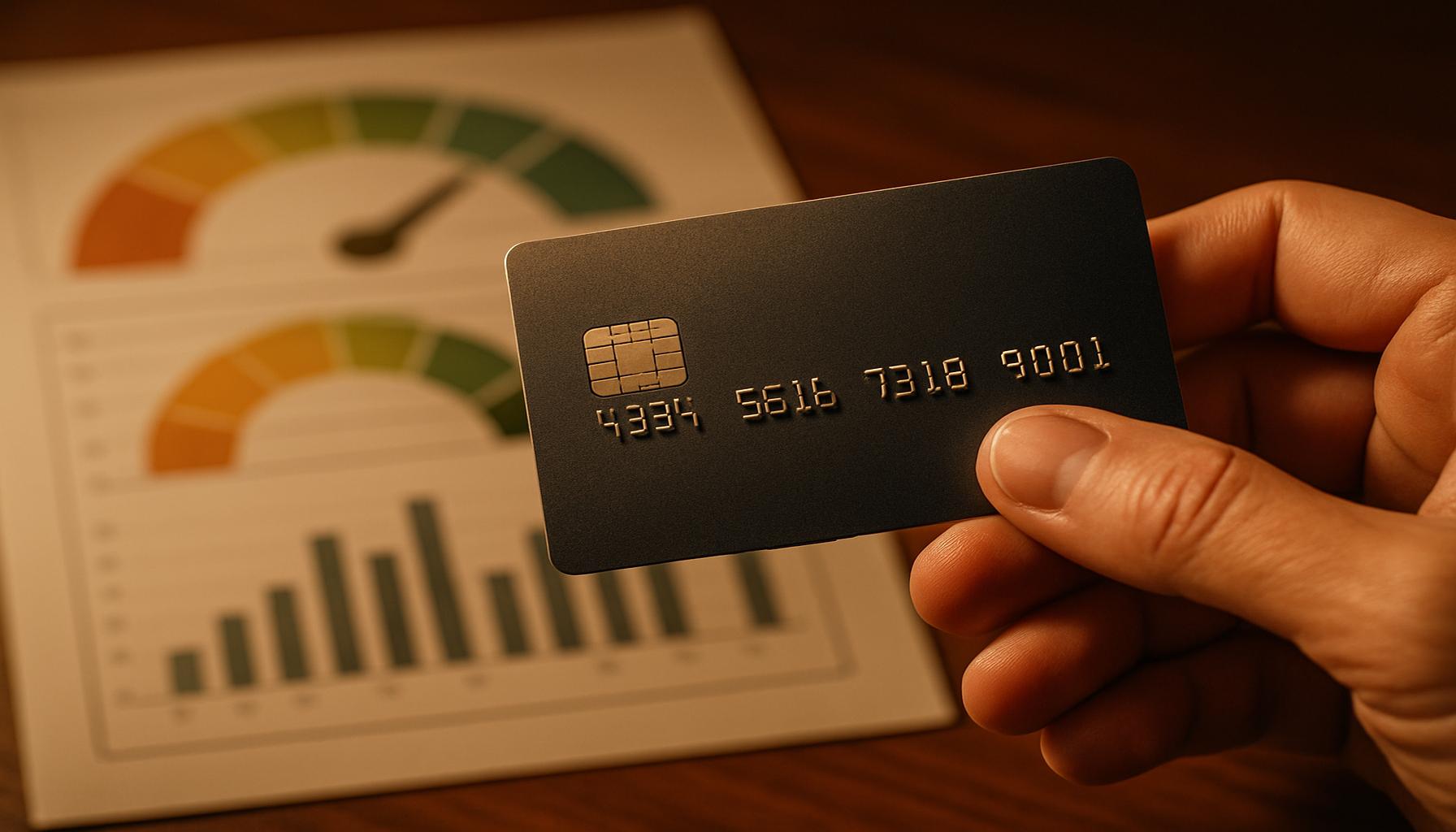
Your credit score is more than just a number; it plays a crucial role in your financial health. This three-digit figure can influence your ability to secure loans, navigate rental agreements, and even affect your job prospects. Understanding how credit scores work is essential for making informed financial decisions. Many lenders, landlords, and employers use your credit score to assess your reliability and risk as a borrower or tenant.
Several factors contribute to calculating your credit score, including:
- Payment History: This is the most significant factor, accounting for about 35% of your score. It reflects your track record of paying bills on time. For example, consistently making your credit card and loan payments can have a positive impact, while late payments can dramatically lower your score.
- Credit Utilization: This factor represents approximately 30% of your score and is calculated by dividing your total credit card balances by your total credit limits. Ideally, you should aim to keep your credit utilization below 30%. For instance, if you have a total credit limit of $10,000 and your balances add up to $2,000, your utilization is 20%, which is favorable.
- Length of Credit History: Making up about 15% of your score, this reflects how long your credit accounts have been active. If you have an old credit card that you’ve managed well, it can positively affect your score, as it shows a longer, more established credit history.
- Types of Credit: A healthy mix of different credit accounts, such as credit cards, mortgages, and installment loans, can enhance your score, contributing about 10% to it. This variety shows that you are capable of managing different forms of credit responsibly.
- New Credit: This includes the number of recently opened credit accounts and inquiries into your credit report, accounting for about 10% of your score. While a few inquiries generally have little effect, a large number in a short time can indicate risk and decrease your score.
Credit cards significantly influence these components. For instance, using credit cards responsibly, such as keeping balances low and making payments on time, can help improve your score. Conversely, mismanagement—like maxing out limits, missing payments, or frequently opening new accounts—can quickly damage it. If you find yourself in debt, consider focusing on paying down high-interest cards first to reduce your overall utilization and regain better standing.
By recognizing how credit scores operate and the specific impact credit cards have on them, you can take proactive steps towards building or maintaining a strong financial profile. Whether you are applying for your first credit card or planning to buy a house, understanding your credit score is an essential part of achieving your financial goals.
DISCOVER MORE: Click here to learn how to build a financial reserve for your business
How Credit Cards Affect Your Credit Score
Credit cards can significantly impact your credit score in various ways. Understanding these influences is essential for making smart financial choices. Below, we’ll explore how credit card usage interacts with the factors that determine your credit score:
- Payment History: Your history of making timely payments on your credit cards is the most critical aspect of your credit score. When you consistently pay your credit card bills on time, it builds a positive payment history. For example, if you have a credit card with a $500 monthly limit and you pay your bill in full every month, you are actively enhancing your credit score. Conversely, missing payments or making late payments can hurt your score significantly, sometimes dropping it by several points per late occurrence.
- Credit Utilization: This factor emphasizes the importance of how much of your available credit you’re using. Ideally, keeping your utilization below 30% shows lenders that you are not over-reliant on credit. For instance, if you have a credit limit of $5,000 and your current balance is $1,000, your utilization is at 20%, which is considered healthy. If, however, you begin charging up close to your limit or exceed it, your score will likely slip, signaling to lenders that you may be overextending yourself.
- Length of Credit History: Having credit cards for a more extended period helps establish a solid credit history. For example, if you opened your first credit card a decade ago, that long-standing relationship can positively affect your score, especially if you’ve been responsible with payments. A longer credit history conveys to lenders that you know how to manage credit responsibly over time.
While these factors highlight the benefits of using credit cards wisely, it’s essential to recognize the potential pitfalls. Opening multiple credit cards within a short period, for example, can inadvertently harm your score as it can reflect financial urgency or instability. When you frequently apply for new accounts, it leads to numerous inquiries into your credit report. Each inquiry can temporarily reduce your score, signaling risk to lenders. Thus, managing how many credit cards you open is pivotal to maintaining your credit health.
In summary, credit cards are powerful tools that can elevate your credit score when used wisely. Still, they also carry the potential for harm if mismanaged. By understanding how different aspects of credit card usage affect your score, you can create a strategy that enhances your financial standing and aligns with your long-term goals.
DISCOVER MORE: Click here to learn how businesses are going green
The Role of Credit Mix in Your Score
Another critical aspect that influences your credit score is the credit mix, which refers to the variety of credit accounts you hold. Credit scoring models, such as those used by FICO, appreciate a diverse credit profile, as it demonstrates your ability to manage different types of credit responsibly. This can include credit cards, installment loans, mortgages, and other debts.
For example, if you solely rely on credit cards and do not have any installment loans, your credit mix may appear limited. In this scenario, you could consider responsibly obtaining an installment loan, such as an auto loan or a personal loan. However, it’s essential not to overextend yourself; the key is to have a healthy balance where you can manage all your debts effectively.
Impact of Account Age on Score
In addition to the length of credit history related to individual accounts, the age of your credit accounts collectively contributes to your credit score. When you close older accounts, it may shorten your overall credit history, which can negatively impact your score. For instance, say you have one credit card account that you opened 15 years ago and another that you opened just last year. If you decide to close the older account, you will lose the benefit of that long credit history, which can lead to a decrease in your credit score.
Even if you don’t use an older credit card frequently, keeping it open, particularly if it has no annual fee, can be beneficial for maintaining a strong credit score. This strategy demonstrates to lenders that you have a long-standing relationship with credit, reinforcing your credibility as a borrower.
How New Credit Applications Affect Your Score
As previously mentioned, applying for new credit cards can also have a short-term negative impact on your credit score. Each time you apply for a new account, a hard inquiry is generated, which can lead to a dip in your score. For instance, if you apply for multiple credit cards within a short period, lenders might see this as a potential risk, indicating that you may be in a desperate need for credit.
To mitigate this effect, consider space out your credit applications. In the case you truly need a new card, take your time to research options and only apply for the ones that fit your financial goals. Additionally, benefits such as promotional offers or rewards can help in making a more informed decision without negatively impacting your credit score too much.
The Importance of Monitoring Your Credit
Understanding credit scores involves not only knowing how credit cards affect them but also staying vigilant about your credit health. Regularly monitoring your credit report allows you to check for inaccuracies or fraudulent accounts, which could unfairly lower your score. You are entitled to one free credit report per year from each of the three major credit bureaus—Experian, TransUnion, and Equifax. Taking advantage of these resources can help you keep a close eye on your credit status and correct any errors swiftly.
In essence, credit cards play a pivotal role in shaping your credit score, but they are just one piece of the puzzle. An informed and well-rounded approach to credit usage will not only bolster your score but also enhance your overall financial wellness. By understanding how different factors intertwine, you can effectively navigate the complexities of credit management.
DISCOVER MORE: Click here to learn how to apply easily
Conclusion
In concluding our exploration of credit scores and the influence of credit cards, it is vital to recognize that maintaining a healthy credit score is essential for achieving financial stability. Your credit score serves as a numerical representation of your creditworthiness, affecting your ability to secure loans, obtain favorable interest rates, and even impact insurance premiums.
As we have discussed, the use of credit cards plays a significant role in impacting this score, with factors such as payment history, credit utilization, and credit mix being key components. A diverse range of credit accounts, timely payments, and responsible management of available credit can greatly enhance your score. Furthermore, being aware of the impact new credit applications and the age of your credit accounts carry will allow you to make more informed decisions when managing your financial portfolio.
Regularly monitoring your credit report is another crucial practice that empowers you to take charge of your finances. By identifying discrepancies early and understanding how different actions affect your credit health, you can ward off potential pitfalls that could harm your score.
Ultimately, understanding credit scores and the influence of credit cards is not solely about improving numbers; it’s about fostering a sustainable financial future. With mindful practices and informed choices, you can navigate the complexities of credit with confidence and set yourself on a path toward long-term financial success.

Ana Martins is a writer and financial expert specializing in personal finance and financial planning. With extensive experience helping individuals achieve financial stability and make informed decisions, Ana shares her knowledge on the BF2 Tecnologia platform. Her goal is to empower readers with practical advice and strategies for financial success.