Tips to Avoid Credit Card Debt
Importance of Managing Credit Card Debt
Effective management of credit card debt is essential for fostering a stable financial future. Each year, millions of Americans accumulate unchecked credit card debt, often resulting in high-interest charges that can spiral out of control. This emphasizes the need for informed financial choices and strategies that can help individuals regain control of their finances.
Strategies to Manage Credit Card Debt
By implementing straightforward strategies, you can navigate the complexities of credit card debt with confidence. Here are some vital actions you can take to improve your financial well-being:
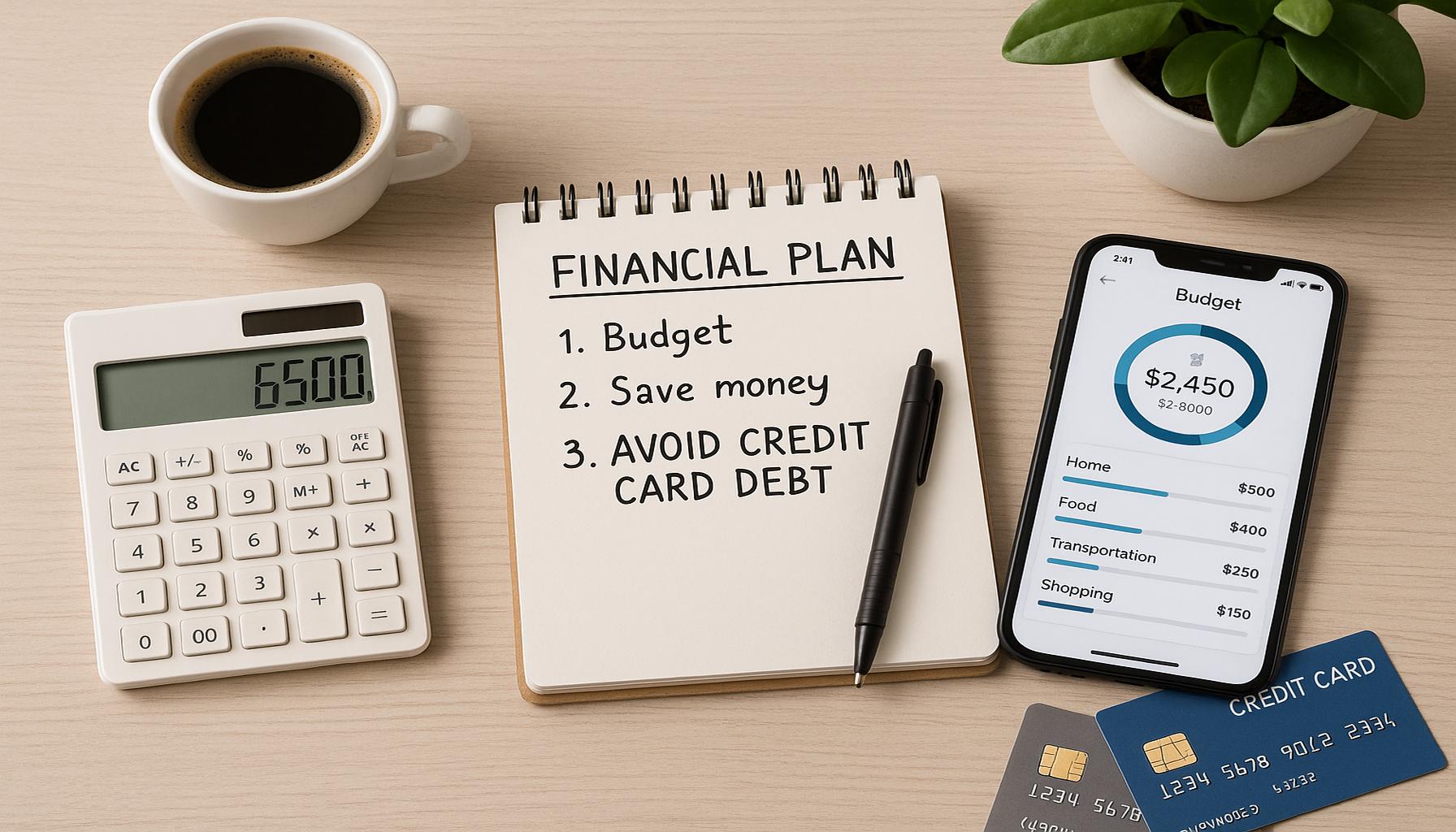
- Create a Budget: One of the most effective ways to manage your finances is by developing a comprehensive budget. Start by tracking all your income sources, such as your salary and any side hustles, and outline your monthly expenses, including rent, utilities, groceries, and entertainment. For example, if you discover that you are spending excessively on dining out, you can adjust this in your budget to reallocate funds towards paying off your credit card bills.
- Use Credit Wisely: Developing a healthy relationship with your credit cards is imperative. Only charge amounts that you are confident you can afford to pay off when the bill arrives. If your car breaks down and you need to use your credit card for repairs, make sure the total is an amount you can comfortably pay off in the next billing cycle. Keeping the balance low helps in avoiding the accumulation of debt.
- Pay More Than the Minimum: When you receive your credit card statement, you might be tempted to only pay the minimum amount due. However, paying just the minimum prolongs the debt repayment process and increases the overall interest you’ll pay. For instance, if your minimum payment is $25 on a $1,000 balance, consider setting a goal to pay $100 per month instead. This approach not only expedites your debt clearance but also helps save you money on interest in the long run.
Moreover, understanding key aspects of your credit can empower you to make smarter financial decisions. Regularly reviewing your credit report can provide insights into your spending habits and highlight areas for potential improvement. This awareness will keep you on track and alert you to any unusual charges or fraud.
Conclusion
By adopting these financial practices, you can effectively manage your credit card debt and lay the groundwork for a more secure financial future. Remember that prevention is always better than cure when it comes to financial health. Equip yourself with the right knowledge and strategies, and you will be better prepared to navigate the responsibilities associated with credit. Making small, informed changes in your spending habits can lead to significant savings and peace of mind.
DISCOVER MORE: Click here to learn about the impact of quantum computing
Practical Steps to Avoid Credit Card Debt
Avoiding credit card debt begins with a proactive approach and mindfulness of your spending habits. Here are some practical steps to help you steer clear of accumulating debt on your credit cards:
- Establish an Emergency Fund: One of the most effective ways to minimize reliance on credit cards is by having an emergency fund. Aim to save three to six months’ worth of living expenses in a separate savings account. This prepares you for unexpected expenses, such as medical bills or car repairs, and reduces the temptation to charge these costs to a credit card.
- Limit Your Number of Credit Cards: Having multiple credit cards can make it easier to lose track of your spending. Therefore, consider only keeping one or two credit cards for necessary purchases. This not only simplifies your financial management but also helps to reduce the overall risk of carrying high balances across multiple cards. With fewer credit cards, it becomes easier to monitor your spending and pay off balances promptly.
- Keep Track of Your Spending: Utilize mobile apps or budgeting tools to track your daily expenses. When you can view all your transactions in real-time, it becomes much easier to stay within your budget. Regularly assessment of your expenditures would allow you to identify unnecessary spending or areas where you can cut back, such as reducing online shopping or limiting impulse buys.
Moreover, it’s essential to cultivate a habit of reviewing your financial statements every month. Additionally, be on the lookout for any unauthorized transactions and discrepancies that could indicate fraud. Early detection of issues protects you and maintains your financial integrity.
That being said, awareness of your credit utilization ratio is crucial. This ratio reflects how much of your total available credit you are using. A good rule of thumb is to keep your credit utilization below 30%. This means if your total credit limit is $10,000, strive to maintain your outstanding balance at or below $3,000. Keeping your utilization rate low positively impacts your credit score and reduces the temptation to spend more.
Finally, setting up alerts for your credit card due dates and balances can help you stay accountable for your spending. Many banks offer mobile notifications that remind you when your payment is approaching or when your balance nears a set threshold. Taking advantage of these features helps you remain disciplined and within your budget, further safeguarding against accumulating debt.
DIVE DEEPER: Click here to discover how to apply
Building Healthy Financial Habits
Adopting sound financial habits is an integral part of avoiding credit card debt. It’s not just about sticking to a budget; it’s about transforming your relationship with money. Here are some strategies to help you cultivate healthier habits:
- Create a Realistic Monthly Budget: A well-defined budget is the backbone of effective financial management. Start by listing all your income sources followed by all your fixed and variable expenses. Allocate specific amounts for necessities like housing, groceries, and transportation, and set aside a portion for discretionary spending. Remember to include a savings goal in your budget as well. This will help you visualize your financial landscape, enabling you to make informed decisions about your spending.
- Use Cash for Everyday Purchases: To curb the temptation to charge on your credit cards, consider using cash for routine purchases like groceries and dining out. This method not only makes your spending tangible but also gives you a clear view of how much you are willing to spend. Some people even find it beneficial to withdraw a set amount of cash at the beginning of each week for discretionary expenses, creating a natural limit for their spending without relying on credit.
- Pay More Than the Minimum: If you do carry a balance, strive to pay more than the minimum amount due every month. Paying only the minimum can lead to a prolonged repayment period and accrued interest that makes debt harder to manage. For example, if your minimum payment is $50 on a $2,000 balance at a 20% interest rate, you could end up paying thousands of dollars in interest over time. Instead, try to pay a larger sum each month, which can significantly reduce the burden of debt.
Educational resources are also invaluable when it comes to avoiding credit card debt. Many banks and financial institutions offer free workshops, webinars, and tools aimed at improving financial literacy. Take advantage of these offerings to deepen your understanding of personal finance management and debt management strategies.
Building a strong credit profile can aid in managing credit responsibly. A high credit score can provide access to loans with lower interest rates, which can help in consolidating existing debts. Improving your credit score may include paying bills on time, reducing existing debt, and keeping credit accounts open, as long as they are not incurring additional costs.
The Importance of Financial Discipline
Practicing financial discipline doesn’t just mean sticking to a budget; it means developing an awareness of your spending triggers. Reflect on what prompts you to use your credit cards. Is it stress, peer pressure, or advertising? Understanding these factors enables you to find alternative coping strategies. For instance, if you often impulse-buy during weekends, consider finding a new hobby, such as hiking or volunteering, that doesn’t rely on spending.
Moreover, it’s helpful to establish financial goals that are meaningful to you. Whether it’s saving for a vacation, a new car, or retirement, having clear objectives can motivate you to avoid unnecessary credit card charges. By aligning your day-to-day spending with your long-term financial goals, you can more effectively navigate the challenges associated with credit card usage.
Finally, consider seeking assistance from a financial advisor if you feel overwhelmed. Professional financial counselors can provide tailored advice that addresses your unique financial situation and goals. This step can prove invaluable in creating strategies to manage and eliminate credit card debt while setting you on a path to financial stability.
DISCOVER MORE: Click here to learn about the impact of digital transformation on traditional businesses
Conclusion
In summary, avoiding credit card debt is a multifaceted endeavor that requires commitment to sound financial practices and self-awareness. By adopting effective strategies such as creating a realistic monthly budget, utilizing cash for everyday expenses, and paying more than the minimum payment, you can significantly reduce your reliance on credit cards. Additionally, developing healthy financial habits and understanding your spending triggers plays a crucial role in maintaining control over your finances.
It’s equally important to set measurable financial goals and seek educational resources to enhance your financial literacy. This not only empowers you to make informed choices but also fosters a stronger credit profile over time, paving the way for more favorable financial opportunities. As you navigate the landscape of personal finance, remember that financial discipline is essential. This involves being mindful of your purchasing decisions and finding alternatives that align with your long-term objectives.
Finally, don’t hesitate to pursue assistance from financial advisors when needed. They can provide personalized strategies that cater to your unique situation, ensuring you are equipped to tackle credit card debt and achieve lasting financial stability. By taking these steps, you can cultivate a healthier, more rewarding relationship with your finances, ultimately leading to a more secure financial future.

Ana Martins is a writer and financial expert specializing in personal finance and financial planning. With extensive experience helping individuals achieve financial stability and make informed decisions, Ana shares her knowledge on the BF2 Tecnologia platform. Her goal is to empower readers with practical advice and strategies for financial success.