The Rise of NFTs as an Engagement Tool in Digital Events
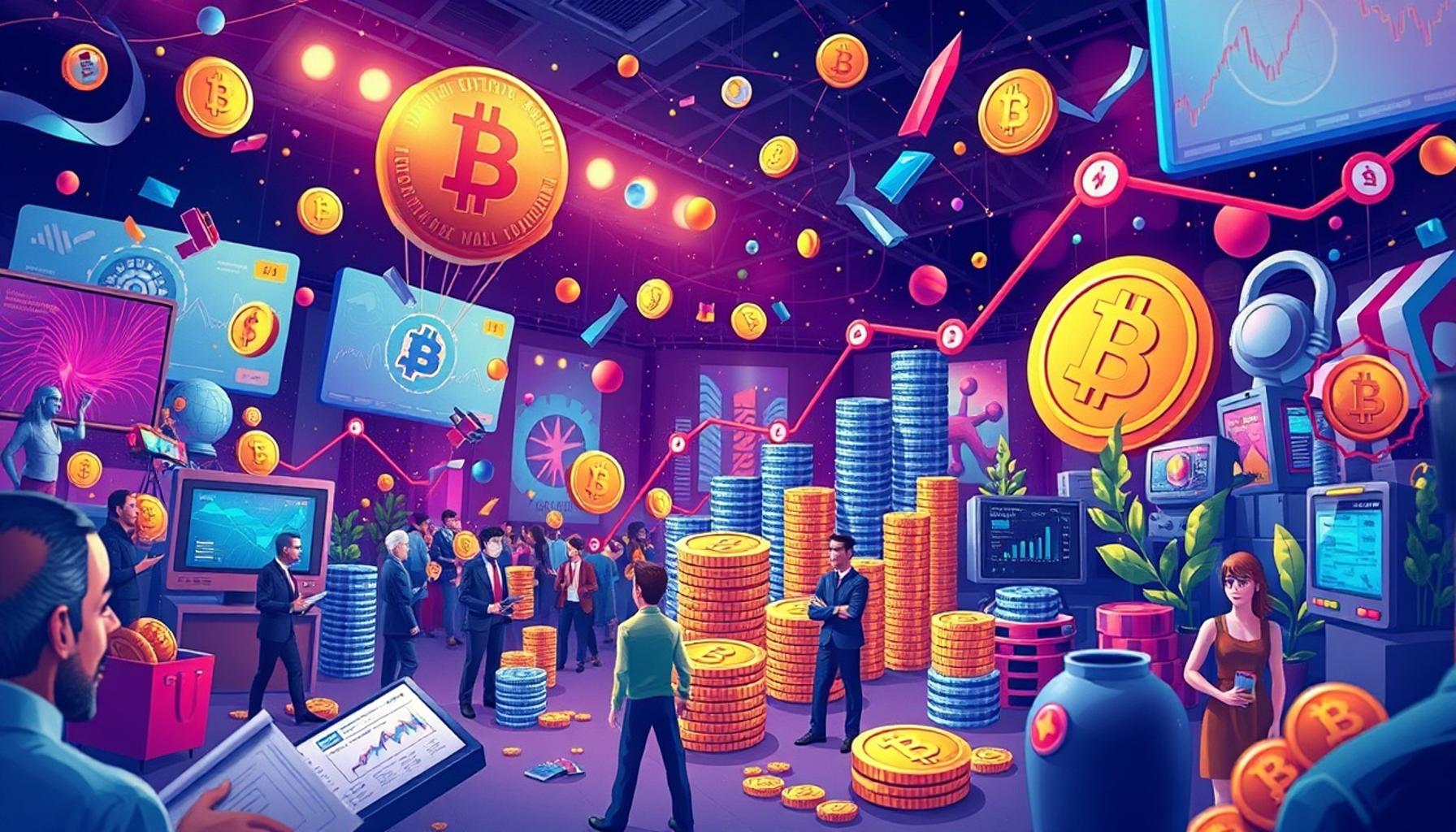
The Shift Towards NFTs in Digital Events
The landscape of digital events is transforming at an impressive pace, with Non-Fungible Tokens (NFTs) emerging as a pivotal component of this evolution. As virtual gatherings gain traction, event organizers are increasingly exploring innovative strategies to enhance audience interaction and create richer experiences. By harnessing the unique capabilities of NFTs, organizers can engage participants more effectively, leading to memorable and unique events.
Understanding the Appeal of NFTs
What exactly makes NFTs appealing as tools for engagement in digital events? Here are several key features that highlight their benefits:
- Ownership and Scarcity: NFTs allow participants to own distinct digital assets, which adds an element of exclusivity. For instance, a limited number of digital artwork pieces or event memorabilia can be distributed as NFTs, creating a sense of scarcity that can drive interest.
- Interactivity: NFTs can introduce gamified elements into the event experience. Event organizers can offer collectible tokens that attendees can earn by engaging in various activities, such as participating in a poll or completing a survey. This not only makes the event more interactive but also encourages more profound engagement.
- Exclusive Access: By holding specific NFTs, participants may gain access to exclusive content, such as VIP panels, special guest speakers, or behind-the-scenes experiences. For example, a music festival might issue NFTs that provide backstage passes, making the experience more thrilling for fans.
These features work synergistically to foster an enhanced participatory atmosphere, thereby cultivating a sense of community among attendees. As an illustration, virtual conferences that incorporate NFT rewards—such as badges or digital tokens for meeting specific engagement criteria—often report increased attendance and interaction. The tangible aspect of receiving an NFT can make attendees feel more connected to the event and its content.
The Transformative Impact of NFTs
As we delve deeper into the rise of NFTs in digital events, it is crucial to recognize that they are not merely transactional tools. They help forge more meaningful connections between audiences and brands. For example, brands that issue NFTs can provide enhanced experiences during events, seamlessly integrating the digital ownership aspect with the overall event narrative. As a result, participants are likely to leave with more than just knowledge; they take home something unique that symbolizes their involvement in the event.
The integration of NFTs represents a transformative approach to engaging event-goers, making their experiences not only more enjoyable but also more memorable. With an increasing number of organizers embracing this technology, it is evident that NFTs will significantly shape the future landscape of digital events.
DISCOVER MORE: Click here for the best tips on personal loans
Why NFTs Are Gaining Traction
The rapid acceptance of Non-Fungible Tokens (NFTs) in the realm of digital events can be attributed to several key factors that resonate with both event organizers and attendees alike. These unique digital assets provide exciting opportunities for enhancing engagement and interactivity in ways traditional methods often fail to achieve. Let us explore the core reasons why NFTs are increasingly becoming essential tools for digital event success.
Enhancing Engagement through Unique Experiences
One of the most striking advantages of NFTs is their ability to create unique experiences that resonate with attendees. Unlike typical event registrations or digital tickets, NFTs can encapsulate a distinctive piece of the event itself—be it a digital art piece, an exclusive performance recording, or even a memorable quote from a guest speaker. This aspect of ownership contributes significantly to emotional connection.
- Personalization: NFTs can be personalized to reflect attendees’ interactions or achievements during an event. For instance, an attendee who participates in a workshop might receive a custom NFT that commemorates their attendance and contributions, creating a memorable keepsake.
- Collectibility: Many attendees naturally enjoy collecting items, and NFTs lend themselves to this interest splendidly. Event organizers can develop a series of collectible NFTs that attendees can trade, further enhancing community engagement. A tech conference, for example, might issue a new NFT for each session attended, making a complete set more desirable.
- Storytelling: NFTs can also be designed to tell a story, weaving them into the event’s narrative. For instance, an art festival might create an NFT for each artwork displayed, allowing the audience to own pieces of the artistic journey and learn about the creators behind the work.
Each of these elements encourages attendees to actively participate, leading to greater satisfaction and a more immersive event experience. The excitement surrounding the potential for ownership can elevate the overall atmosphere of digital gatherings, turning passive spectators into engaged participants.
Creating Lasting Value
In addition to enhancing engagement, NFTs provide event organizers with an avenue for creating lasting value. When attendees leave with tangible digital assets that have inherent worth, it fosters a sense of connection to the event that goes beyond the usual takeaways. This can significantly affect how attendees perceive the brand or organization hosting the event.
By embedding value within NFTs, such as granting future discounts, early access to other events, or exclusive content, organizers can increase the perceived importance of their events. For example, a gaming convention might offer NFTs that serve as exclusive passes to future game releases or private gaming sessions, heightening attendees’ excitement and fostering loyalty long after the event concludes.
In summary, NFTs are not merely a passing trend; they represent a powerful tool for elevating engagement in digital events. As technology continues to integrate into our lives, the potential for NFTs to contribute meaningfully to the event experience will likely grow, shaping how organizations approach audience interaction in the future.
DISCOVER MORE: Click here to enhance your time management skills
The Financial Incentives Behind NFTs
Beyond their ability to engage attendees, Non-Fungible Tokens (NFTs) present a range of financial incentives that can drive their adoption by event organizers. As the digital landscape evolves, the integration of blockchain technology into the event space opens vast opportunities for revenue generation and long-term sustainability.
New Revenue Streams
One of the most impactful aspects of NFTs is their potential to create new sources of revenue. Event organizers can monetize NFTs by offering them as collectibles, with prices set according to the perceived value of the item. For instance, an exclusive VIP NFT pass granting access to behind-the-scenes content or special events could be sold at a premium, generating additional income beyond standard ticket sales.
- Tiered Pricing: Organizers can develop a tiered pricing structure for NFTs, where different levels of ownership come with varying degrees of access. This strategy caters to diverse audience segments, from casual attendees to hardcore fans longing for exclusive experiences.
- Royalties on Resales: An attractive benefit of NFTs is that they can be programmed to include royalties for the original creator upon resale. Thus, if an attendee sells their NFT to another party, the event organizer can receive a percentage of the sale, fostering ongoing revenue streams long after the event concludes.
- Brand Partnerships: Collaborating with brands to create co-branded NFTs can open up further financial avenues. For example, a music festival could partner with a popular beverage brand to offer special NFT merchandise or rewards, leveraging brand recognition and reach to increase sales.
These revenue-generating capabilities not only help to cover event costs but also allow organizers to reinvest in future events, improving the overall attendee experience and contributing to the longevity of their brand.
Strengthening Community and Loyalty
Another pivotal reason for the rise of NFTs in digital events is their role in building strong communities and enhancing attendee loyalty. Since NFTs can embody a unique connection between the organizer and the participant, they foster relationships that extend beyond the individual event.
- Loyalty Programs: Event organizers can implement loyalty programs where attendees earn rewards in the form of NFTs based on their engagement. By accumulating these digital tokens over time, participants are more likely to attend future events to redeem their rewards.
- Social Proof: The visibility of NFTs on social platforms can act as social proof, showcasing attendees’ commitment to the event and potentially drawing in like-minded individuals. As attendees share their NFT accomplishments, it creates a ripple effect, encouraging others to join in on future experiences.
- Fan Involvement: NFTs can serve as platforms for fan involvement, allowing attendees to vote on certain aspects of an event, such as speakers or themes, through NFT ownership. This participatory element enhances the sense of community and belonging among attendees.
The focus on community engagement ensures that the connection between the attendees and the event remains strong and lasting, translating into greater levels of retention and organic growth of participant numbers over time.
In summary, the integration of NFTs into digital events significantly reshapes how organizers and participants interact and engage, offering a symbiotic relationship that benefits both parties in meaningful ways. As this innovative technology continues to mature, the full potential of NFTs in revolutionizing the event landscape will likely unfold, creating exciting possibilities for the future.
DISCOVER MORE: Click here for easy application tips
Conclusion
As we have explored, the rise of NFTs highlights a transformative shift in how digital events engage participants. This innovative technology not only enhances attendee experiences but also creates sustainable revenue opportunities for event organizers. For instance, consider a major music festival that offers limited edition NFT tickets. These tickets can come with special perks, such as access to backstage areas or exclusive merchandise. By applying tiered pricing strategies, the festival can cater to various budgets while generating significant income, all while fostering a sense of exclusivity among attendees.
Moreover, the role of NFTs in building community and loyalty is paramount. When participants earn unique NFTs for achievements, such as attending a specific number of events or participating in workshops, they feel a stronger connection to the event and its organizers. For example, a tech conference might reward attendees with NFTs for engaging in networking events or contributing to discussions. When these achievements are showcased on social platforms, they promote deeper connections among attendees—their friends and colleagues can see their accomplishments, encouraging others to participate in future events. This sense of belonging not only encourages repeat attendance but also promotes organic growth through social proof, effectively creating a thriving community.
In conclusion, NFTs provide a unique blend of engagement and monetization that complements the evolving landscape of digital events. As more organizers recognize their potential, we can anticipate a greater integration of NFTs across various sectors, ranging from music festivals to corporate conferences. For instance, brands might utilize NFTs to give loyal customers exclusive access to early ticket sales or VIP experiences at events. Ultimately, this innovative approach will not only enhance the attendee experience but also pave the way for a more interactive, rewarding, and sustainable event ecosystem that benefits everyone involved.

Linda Carter
Linda Carter is a writer and expert known for producing clear, engaging, and easy-to-understand content. With solid experience guiding people in achieving their goals, she shares valuable insights and practical guidance. Her mission is to support readers in making informed choices and achieving significant progress.