
The Future of Interactivity in Online Events with Chatbots and Virtual Assistants
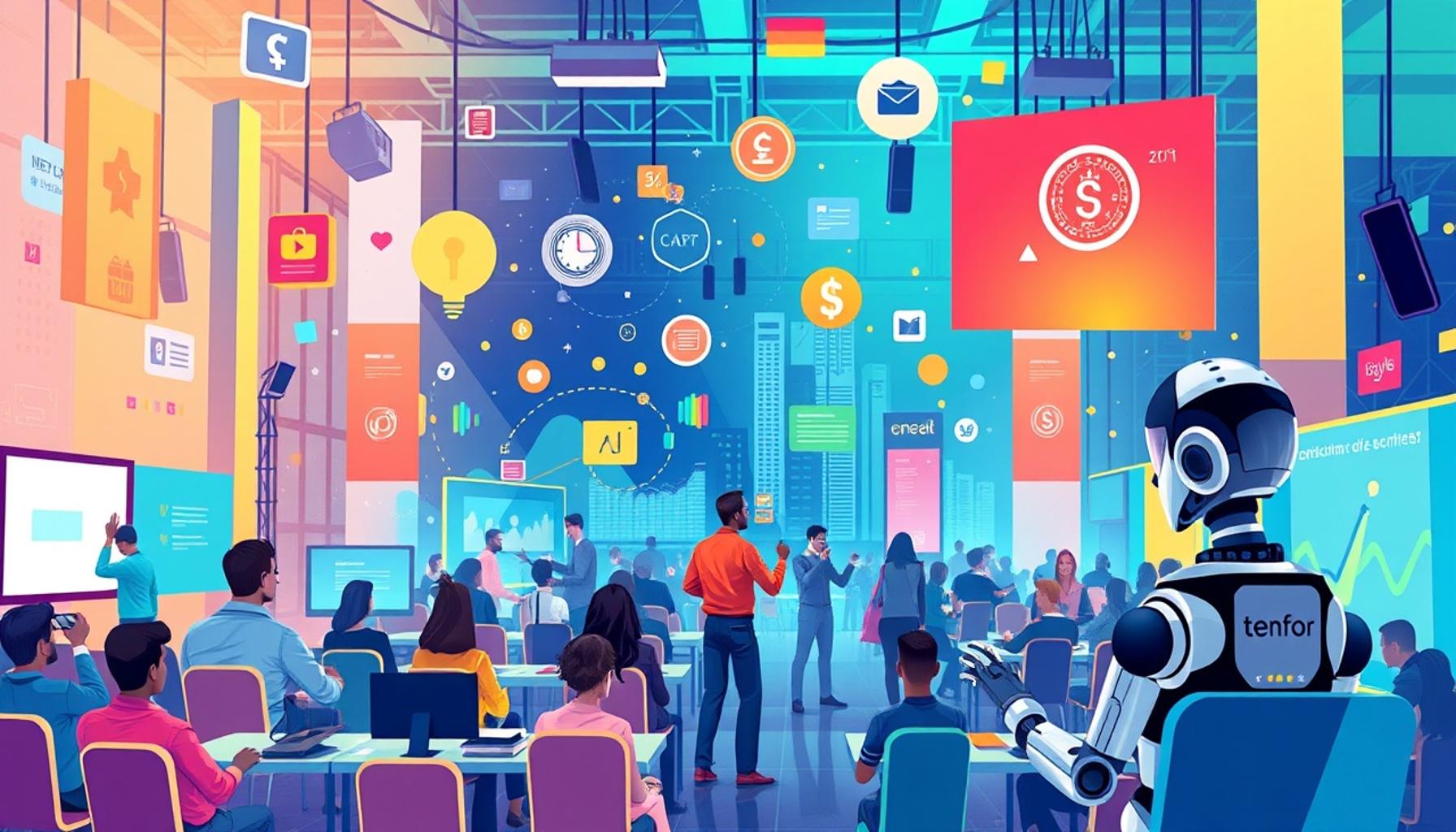
The Role of Technology in Online Events
The rapid evolution of technology is reshaping how we connect and engage during online events. With the growing reliance on digital platforms, chatbots and virtual assistants are becoming essential tools to enhance interactivity. These innovations transform traditional webinars and conferences into dynamic experiences, providing attendees with more engaging and personalized interactions.
Streamlining Communication with Chatbots
One of the primary ways that chatbots enhance online events is by streamlining communication. Let’s break down some key functions:
- 24/7 Availability: One key advantage is that chatbots operate around the clock, meaning attendees can access information and support whenever they need it. Imagine having a participant in a different time zone who has questions about registration. A chatbot can instantly provide answers, ensuring that no one is left waiting for a human response. This constant availability can significantly improve the event experience by reducing frustration and enhancing satisfaction.
- Personalized Engagement: Virtual assistants can use algorithms to tailor interactions based on user preferences and previous behavior. For example, if an attendee consistently shows interest in a particular topic, the chatbot can recommend related sessions or provide relevant resources. This level of personalization makes attendees feel valued and engaged, ultimately leading to a more fulfilling event experience.
- Efficient Networking: Chatbots can facilitate networking by introducing participants who share similar interests automatically. For instance, if two attendees are both interested in artificial intelligence, the chatbot can suggest they connect for a discussion or even set up a virtual meeting. This not only helps participants build valuable connections but also enhances the collaborative spirit of online events.
Advantages of Chatbots and Virtual Assistants
As we explore this topic, it’s crucial to recognize the key advantages these technologies bring:
- Enhanced User Experience: By enabling interaction in real-time and offering instant feedback, chatbots create a more immersive environment. Participants can engage with content actively rather than passively watching presentations.
- Data Collection: Chatbots can gather insights on attendee behaviors and preferences, which organizers can use for future events. For example, analyzing which sessions attracted the most questions can help in planning future topics or improving the agenda.
- Cost-Effectiveness: The deployment of chatbots can significantly reduce the need for extensive human resources during events. This means that event planners can allocate their budget towards enhancing content quality or other engaging elements, rather than staffing large teams for audience management.
Looking Ahead: The Future of Online Engagement
Looking ahead, we can anticipate significant advancements in how chatbots and virtual assistants will impact online engagement. These technologies are not just about automation; they embody a shift toward creating richer, more interactive experiences for all participants. By leveraging artificial intelligence and machine learning, future chatbots could even predict attendee questions and preferences based on past interactions, further enhancing their capabilities.
In conclusion, chatbots and virtual assistants are revolutionizing online events. They foster genuine connections, facilitate discussions, and make the entire experience more enjoyable. As technology continues to evolve, the possibilities will become even more exciting, paving the way for innovative event experiences that reflect the needs and desires of today’s digital audience.
DISCOVER MORE: Click here to learn about finances and mental health
Revolutionizing Event Experiences Through Enhanced Interactivity
The integration of chatbots and virtual assistants into online events is not just a trend; it signifies a fundamental shift in how audiences engage with content and each other. As the demand for more interactive and immersive experiences continues to grow, understanding the dynamics at play is essential. These tools are designed not only to enhance the communication process during events but also to deepen the level of engagement participants experience, leading to richer interactions and overall event success.
Transforming Attendee Interaction
Incorporating chatbots and virtual assistants into online events transforms how attendees communicate, learn, and connect with one another. Here are some notable transformations:
- Interactive Q&A Sessions: Traditionally, Q&A sessions during webinars and live events could feel stilted or uneven, with some questions going unaddressed and others taking too long to get answers. Chatbots can streamline this process by allowing attendees to submit questions in real-time. They can prioritize and categorize questions based on themes, ensuring that the most relevant queries are highlighted for responses. This functionality not only makes Q&A more efficient but also encourages greater participation from attendees who may have felt hesitant to speak up in a traditional format.
- Real-Time Polling and Feedback: Engaging participants through instant polling can significantly enrich the event experience. Virtual assistants can disseminate polls at different points throughout a session, allowing organizers to gauge audience sentiment and adjust the content dynamically if necessary. For example, if a significant number of attendees express interest in a specific topic during a session, the event organizers might decide to delve deeper into that subject or conduct a follow-up discussion, ensuring that the content remains relevant and engaging.
- Gamification of Experiences: To further engage participants, chatbots can introduce gamification elements into events. For example, attendees could earn points for asking questions, participating in polls, or engaging with content. These points could be redeemed for prizes, fostering a sense of competition and making the event feel more interactive. This approach encourages attendees to participate more actively, leading to a more immersive experience.
Building Community and Connection
One of the most powerful aspects of online events is the potential to build a sense of community among participants. Chatbots and virtual assistants facilitate this process in several ways:
- Facilitated Conversations: By using chatbots to suggest discussion topics or by prompting group conversations based on high-interest areas, organizers can foster dialogue among attendees who may not have connected otherwise. These facilitated interactions help break down barriers and encourage networking, ultimately leading to stronger professional relationships.
- Customized Attendee Journeys: Every attendee has unique needs and preferences, and chatbots can act as personalized guides throughout the event. By assisting attendees in choosing sessions that align with their interests or directing them to resources that enhance their experience, these digital assistants ensure that each participant has a tailored experience that resonates with them personally.
- Follow-Up and Community Engagement: Post-event engagement is just as crucial as the event itself. Chatbots can follow up with attendees to gather feedback, share resources, or even suggest future events they might find interesting based on their previous interactions. This ongoing connection helps deepen relationships and enhances community engagement beyond the event itself.
In summary, the future of interactivity in online events is being shaped by the innovative use of chatbots and virtual assistants, facilitating enhanced communication and building connections among participants. As these technologies continue to develop, we can expect even more dynamic and personalized experiences that cater to the evolving needs of attendees, ultimately making online events more engaging and impactful.
DISCOVER MORE: Click here to maximize your benefits
Enhancing Personalization and Data-Driven Insights
The role of chatbots and virtual assistants in online events extends beyond mere interactivity; they are pivotal in achieving a higher level of personalization that caters to individual attendee needs. By leveraging data analytics and machine learning, these technologies can create customized experiences that profoundly impact engagement and satisfaction during events.
Personalized Content Delivery
One of the most significant advantages of chatbots is their ability to personalize content delivery based on attendee preferences and behaviors. For example, when an attendee registers for an event, they might indicate specific areas of interest ranging from marketing strategies to emerging technologies. A smart virtual assistant can then curate recommendations throughout the event, suggesting sessions, speakers, and resources that align with those interests. This hyper-targeted approach improves attendee satisfaction, as participants are more likely to engage with content that resonates with them.
Leveraging Data for Improved Experiences
Chatbots and virtual assistants can capture vast amounts of data during events, including engagement metrics, feedback, and interaction patterns. For instance, if certain sessions see higher engagement levels—such as higher question submissions or more active participation—event organizers can use this data to analyze what specific elements drove interest. With this information, they can refine and optimize future programs. This might mean booking popular speakers for more sessions or focusing on trending topics that attendees appear enthusiastic about. The potential for data-driven decision-making enhances the overall quality of online events.
Inclusive Accessibility Features
Another vital aspect of the future of interactivity is the ability of chatbots to enhance accessibility. Virtual assistants can provide real-time translations, subtitles, and support for attendees with disabilities, ensuring a more inclusive environment. For instance, during an event, a virtual assistant might offer closed captioning for speakers, allowing hearing-impaired participants to follow along seamlessly. Furthermore, chatbots can assist attendees in navigating the event platform, answering questions about accessibility options, or offering support for users with specific needs. This commitment to inclusivity can significantly broaden the event’s reach, allowing more people to participate meaningfully.
Fostering Continuous Learning and Skill Development
Chatbots and virtual assistants serve as valuable tools for ongoing learning opportunities beyond the duration of an event. Following an online seminar, these digital assistants can engage attendees through follow-up quizzes or tailored content suggestions based on their interests, reinforcing key takeaways from sessions. For example, a chatbot might recommend articles, podcasts, or additional online courses on topics attendees showed interest in during the event. This not only enhances retention of the material but also empowers participants to explore further learning paths in their professional development.
Real-Time Analytics for Dynamic Engagement
Lastly, the future of interactivity will increasingly rely on real-time analytics provided by chatbots. During an event, organizers can monitor attendee engagement levels and adapt the flow of content dynamically. If engagement drops during a presentation, event staff might intervene by introducing an interactive segment or shifting the topic to reset interest levels. This adaptability ensures that the event remains captivating, catering to the audience’s energy and engagement patterns.
Incorporating chatbots and virtual assistants into the fabric of online events is establishing new norms for interactivity that emphasize personalization, data insights, inclusivity, and continuous learning. As technology continues to advance, we can anticipate even more sophisticated solutions that further enrich the experiences of attendees, making online events not only more efficient but also much more engaging and impactful.
DON’T MISS OUT: Click here to learn how to secure your child’s college future
Conclusion
As we navigate the evolving landscape of online events, it is clear that chatbots and virtual assistants are poised to redefine interactivity. Their capacity to personalize experiences not only enhances engagement but also fosters deeper connections with attendees. By providing tailored content, they ensure that each participant feels valued and heard, ultimately leading to increased satisfaction and retention.
Moreover, the data-driven insights gained from these technologies empower event organizers to make informed decisions that elevate future events. By analyzing engagement patterns and participant feedback, organizers can adjust their approaches to better align with audience interests and trends. This responsive nature of online events enhances their effectiveness, making them more relevant and appealing to diverse attendees.
We must also consider the critical role of accessibility. By promoting inclusive features through chatbots, event planners can reach a broader audience, allowing everyone the opportunity to participate fully. This commitment to inclusivity not only enriches the event experience but also reflects the values of equity and accessibility that organizations strive to uphold.
Lastly, the ability of chatbots to facilitate ongoing learning keeps the engagement alive even after an event concludes. This continuous interaction provides valuable resources that empower attendees to further their knowledge and professional skills. As we look to the future, it is evident that the integration of innovative digital tools will continue to enhance the interactivity of online events, making them more engaging, efficient, and transformative than ever before. The potential for growth is immense, and embracing these technologies will undoubtedly shape the future of online collaboration and connection.

Linda Carter
Linda Carter is a writer and expert known for producing clear, engaging, and easy-to-understand content. With solid experience guiding people in achieving their goals, she shares valuable insights and practical guidance. Her mission is to support readers in making informed choices and achieving significant progress.